
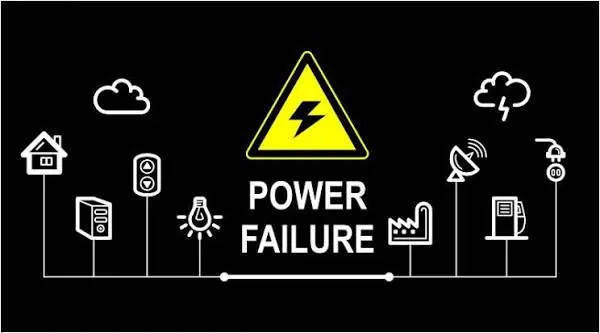
Extreme weather, power grid failures and infrastructure disruptions can create serious challenges for industrial facilities. When electricity becomes unstable or communication networks are interrupted, one important question arises:
Will the industrial warning system continue to operate when normal infrastructure begins to fail?
An emergency warning system is most valuable when normal operating conditions no longer exist. For this reason, system resilience should be considered from the beginning of the warning system design.
Key Elements of a Resilient Warning System
Several factors can help improve the reliability of an industrial warning system during emergencies:
1. Backup power for electronic sirens, speakers and control equipment
2. Multiple communication pathsto reduce dependence on a single network
3. Local controlwhen communication with the central control center is unavailable
4. Device and battery monitoringto identify potential failures
5. Automatic fault reporting and event loggingfor maintenance and troubleshooting
6. Regular failure-condition testingto verify system performance beyond normal operation
A warning system may work perfectly during a routine inspection but still experience problems during a real emergency if a single power supply, cable or communication network becomes a point of failure.
Building a More Resilient Warning Architecture
At SENKEN TECH, we consider electronic sirens, field control devices and management software as parts of an integrated warning system.
Centralized monitoring provides visibility into system status, while backup power, local control and reliable communication help maintain essential warning functions when conditions deteriorate.
This approach is particularly important for industrial facilities, energy infrastructure, chemical plants, mining operations and other sites where timely emergency notification is critical.
Ultimately, the reliability of an industrial warning system should not be measured only by how it performs on an ordinary day.
It should be measured by how much of the system remains available when ordinary conditions disappear.