
What Is an Electric Siren?

In emergency warning systems, sirens play an important role in delivering fast and effective alerts to communities, industrial facilities, and emergency responders. However, when selecting a suitable warning device, many customers are confused about the difference between an electric siren and an electronic siren.
Although these two terms sound similar, they represent different technologies and working principles. Understanding their differences helps users choose the right warning solution for applications such as factories, mines, chemical plants, public warning networks, and emergency response systems.
What Is an Electric Siren?
An electric siren generally refers to a siren that generates sound through an electrically powered mechanical system.
Traditional electric sirens usually use an electric motor to drive a rotating rotor. When the rotor spins, it periodically interrupts airflow through specially designed openings, creating powerful sound waves.
This technology is also known as an electromechanical siren. The sound is produced by physical movement rather than digital sound generation.
Main Features of Electric Sirens:
- Strong acoustic output
- Long-distance sound coverage
- Simple mechanical structure
- Recognizable warning tone
However, because they contain rotating mechanical components, they may require more maintenance compared with modern electronic systems.
What Is an Electronic Siren?
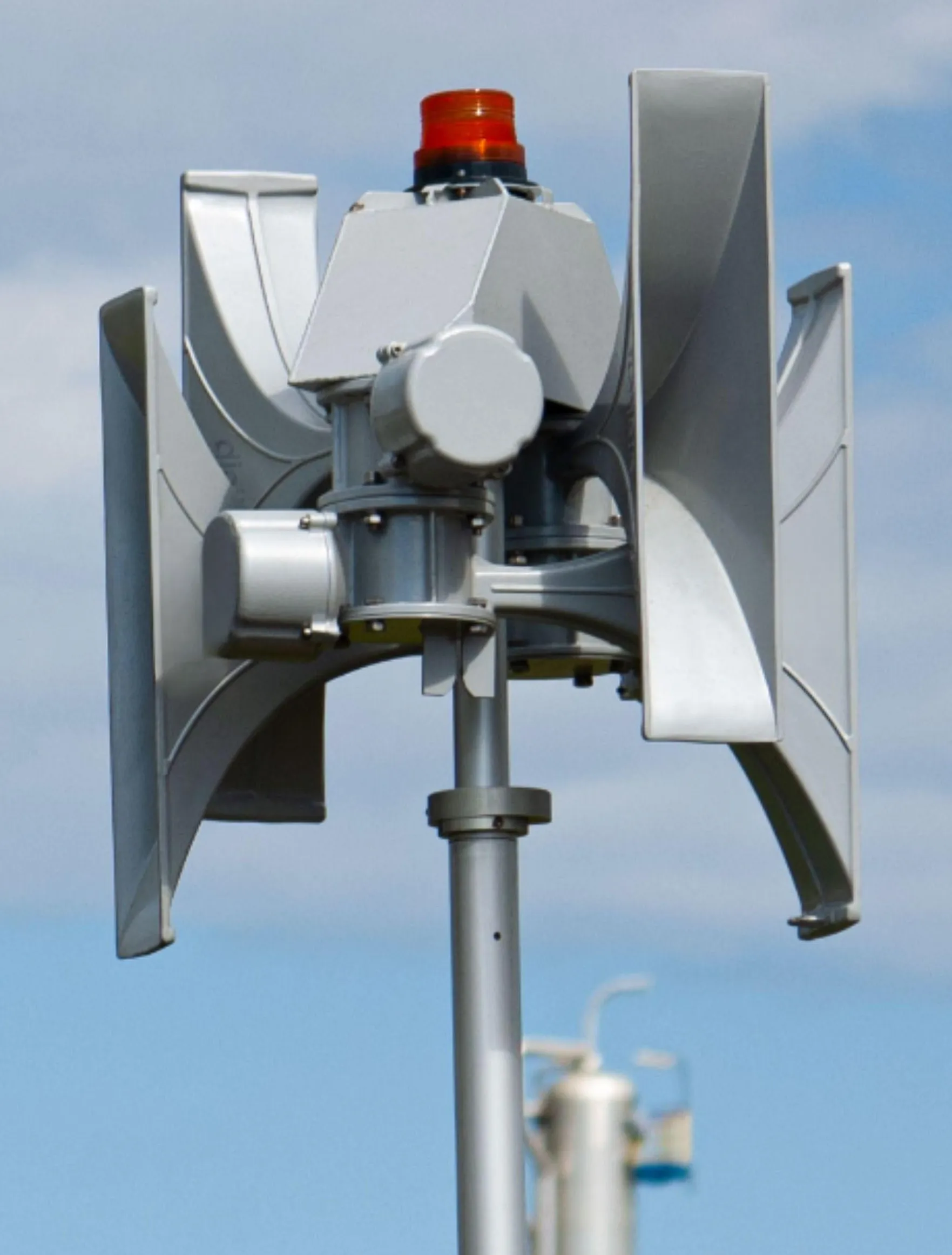
An electronic siren uses digital and electronic components to generate warning sounds.
Instead of producing sound through mechanical rotation, an electronic siren uses:
- Signal generators
- Digital processors
- Amplifiers
- Loudspeakers
The electronic system creates different warning tones and broadcasts them through high-power speakers.
Modern electronic sirens can produce multiple warning signals, including:
- Wail tone
- Alarm tone
- Pulse tone
- Customized warning sounds
- Voice messages
Some advanced systems can also broadcast live announcements or pre-recorded emergency instructions.
Electric Siren vs Electronic Siren: Key Differences
|
Comparison |
Electric Siren |
Electronic Siren |
|
Sound generation |
Mechanical rotation |
Electronic signal processing |
|
Main components |
Motor rotor stator |
Controller amplifier speakers |
|
Sound type |
Traditional warning tone |
Multiple programmable tones |
|
Voice broadcasting |
Usually unavailable |
Supported |
|
Maintenance |
Higher due to moving parts |
Lower |
|
System integration |
Limited |
Easy integration with IoT, PLC, SCADA |
|
Application |
Outdoor long-range warning |
Smart warning systems |
The Future Trend: Intelligent Electronic Warning Systems
With the development of smart cities and industrial digitalization, emergency warning systems are moving toward greater intelligence.
Modern electronic sirens are no longer only sound-producing devices. They are becoming integrated safety terminals combining:
- Audio warning
- Voice communication
- Remote monitoring
- Network control
- Data management
For industries requiring fast response and reliable communication, electronic sirens provide greater flexibility and scalability.
Conclusion
The main difference between an electric siren and an electronic siren is the method used to generate sound.
- Electric sirensrely on mechanical movement driven by electric motors and are known for powerful traditional warning sounds.
- Electronic sirensuse digital technology to provide flexible tones, voice messages, and intelligent control functions.
For traditional outdoor warning applications, electric sirens remain a practical solution. However, for modern industrial safety systems and smart emergency management networks, electronic sirens are becoming an increasingly important choice.
Choosing the right siren technology depends on factors such as coverage area, environmental conditions, integration requirements, and emergency communication needs.